
Spotting Identity Theft on Your Credit Report
Your credit report is a key tool in fighting fraud. Learn the warning signs of identity theft and what to do if you see them.
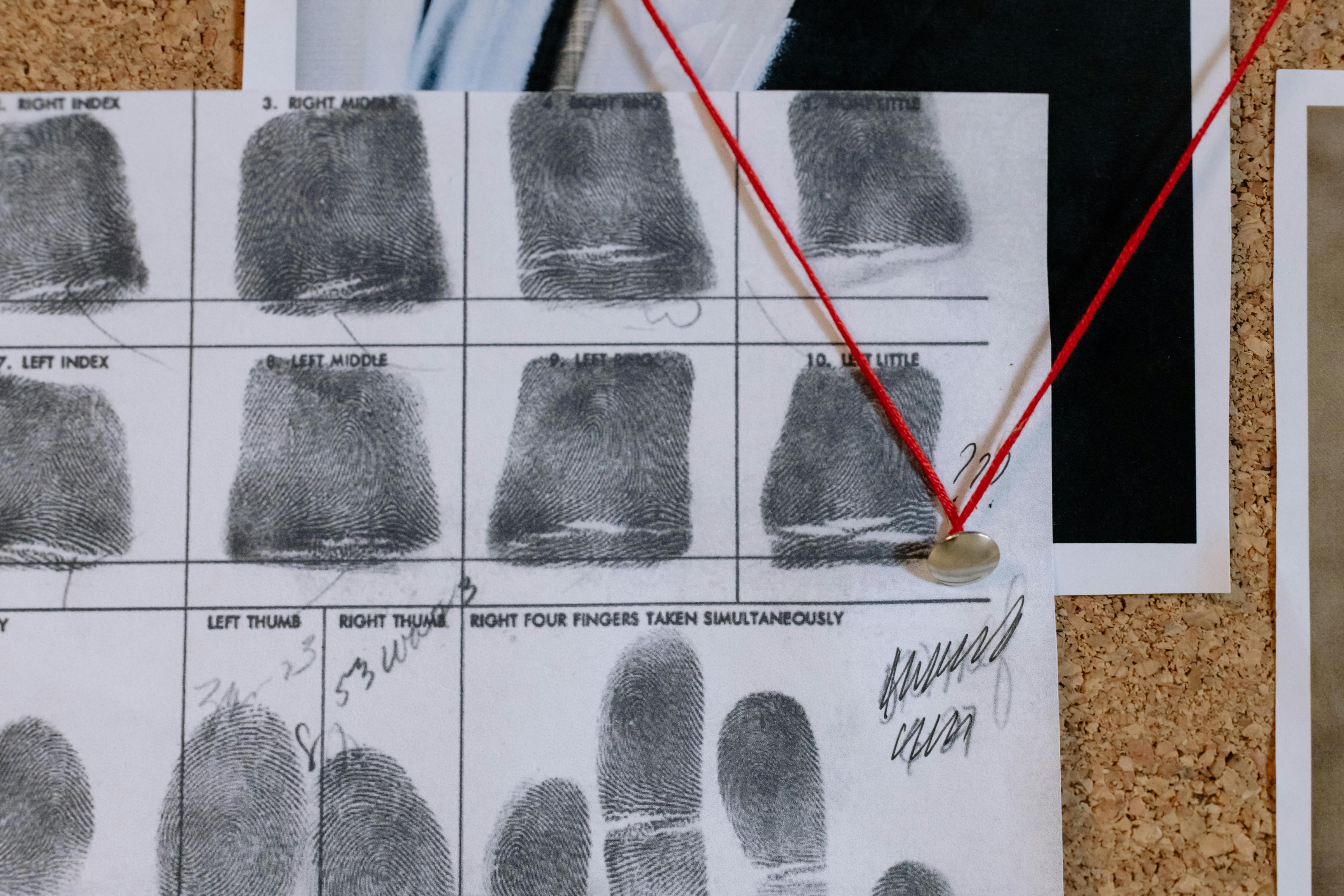
Identity theft is a growing problem in South Africa, where criminals use your personal information to open accounts or take out loans in your name. Your credit report is one of the most effective tools for detecting this fraudulent activity early. Regularly checking your report for suspicious signs is crucial.
Here are the key warning signs to look for on your credit report:
1. Accounts You Don't Recognize
This is the most obvious red flag. Scrutinize the "Account History" section of your report. If you see a credit card, store account, personal loan, or mobile phone contract from a provider you have never done business with, you are likely a victim of fraud.
- Action: Immediately contact the fraud department of the credit provider listed and report the fraudulent account. Then, dispute the account with the credit bureau.
2. Hard Enquiries You Didn't Authorize
When a criminal uses your identity to apply for credit, the lender will perform a "hard enquiry" on your credit profile. This enquiry is logged on your report. If you see enquiries from lenders you have never contacted, it means someone is trying to use your name to get credit.
- Action: This is an early warning sign. Even if no account was opened, you need to act. Contact the credit bureau to report the fraudulent enquiry and place a fraud alert on your profile.
3. Incorrect Personal Information
Thieves may sometimes alter your personal details when applying for credit. Check the "Personal Information" section for:
- Addresses you have never lived at.
- Employers you have never worked for.
- Incorrect phone numbers or email addresses.
While these can sometimes be simple administrative errors, they can also be a sign that a fraudster has updated your details.
- Action: Dispute any incorrect personal information with the credit bureau.
4. Collection Notices for Debts That Aren't Yours
If you suddenly start receiving calls or letters from debt collectors about an account you know nothing about, it's a major warning sign. The fraudulent account may already be in default and has been handed over for collection.
- Action: Do not ignore the collector. Inform them that you believe this is a case of identity theft and that you will be opening a police case. Do not provide them with any personal information.
What to Do If You Suspect Identity Theft
If you spot any of these signs, you must act quickly to limit the damage:
Go to the Police: Go to your nearest South African Police Service (SAPS) station and open a case of identity theft. You will need to make a sworn affidavit. Get the case number and a copy of the affidavit. This is your most important piece of evidence.
Contact the Credit Bureaus: Contact the fraud departments of all major credit bureaus (TransUnion, Experian, XDS). Inform them of the situation, provide your SAPS case number, and ask them to place a fraud alert on your credit profile. This alert will warn any potential credit providers to take extra steps to verify your identity before granting credit.
Dispute All Fraudulent Information: Formally dispute every single fraudulent account, enquiry, and incorrect personal detail with each bureau, using your SAPS affidavit as the primary evidence.
Contact the Affected Creditors: Inform the fraud departments of the companies where the fraudulent accounts were opened. Provide them with your SAPS case number and affidavit.
Acting quickly can help you clear your name and restore your credit record.
The credit repair process is complex and requires specialist knowledge to ensure success. Don't risk handling it alone. Our experts at Dispute It are ready to manage your case and deliver results.